Directional and Wayfinding Signs That Get People Where They’re Going
It’s ten to nine on a Monday. A delivery driver is circling your business park for the third time. A candidate is standing in a corridor, holding a 9am interview letter and looking at three identical doors. And one of your team has just stopped what they were doing to give directions for the fourth time before lunch.
Every time someone has to ask the way, a sign has failed. Good wayfinding is the opposite. It’s so clear that nobody notices it. People arrive calm, on time and in the right place, and your team gets its day back.
We design and make custom directional and wayfinding signs in our own High Wycombe workshop, for indoors and outdoors: door and room signs, corridor and floor signs, arrows, car park and site signs, and temporary signs for events. We can fit them too. Send us a plan or a few photos, and we’ll come back with a design, a clear price and an honest ready-by time. We check your artwork for free, and every project starts with a free design proof, mocked up on a photo of your premises before anything is made.
- Free design proof, mocked up on your premises
- Free artwork check on every order
- Made in our own High Wycombe workshop, fitted if you like
- Honest timings, always
PDF is best. We also accept AI, EPS, JPG and PNG. Every file is checked, and we send you a proof to approve before anything prints.
No artwork yet? Tell us what you need in the quote form and we'll talk you through it.
What Is Wayfinding Signage?
Wayfinding signage is a set of signs that works as a system to guide people through a building or site. It tells them where they are, which way to go and when they’ve arrived. Directional signs are the part with arrows. Together with name and information signs, they make a route that a stranger can follow without asking.
A single sign is just a sign. A wayfinding scheme is a handful of signs that agree with each other: the same names, the same style, the same arrows, placed at the moments people need them. That is why a few well-placed, well-planned signs beat dozens of random ones.
The Four Kinds of Sign (and Which Job Each Does)
Most confusion comes from mixing these up. Plan your scheme with all four in mind.
Sign type | Its job | Example | Where it goes |
Identification | Confirms you’ve arrived | Room name, reception, building name | At the destination |
Directional | Shows which way to go | Arrow plus destination | At decision points |
Informational | Gives useful detail | Directory, floor plan, opening hours | At entrances and lobbies |
Regulatory and safety | Warns or instructs | Fire exit, first aid, no entry | As the law and risk assessment require |
Wayfinding covers the first three. Statutory safety signs, such as fire exit and first aid signs, follow their own legal rules (see the rules section below) and are a different job, so we’ll tell you plainly where one ends and the other starts.
Try the Lost-Visitor Test
Before you order a single sign, do this. It takes twenty minutes and it’s the best way to get it right.
Arrive like a stranger. Start where a visitor starts: the car park, the pavement, the front door.
Walk the journey to every key place. Reception, the toilets, the meeting rooms, the lifts, the exit.
Stop at every turn, junction and door. These are your decision points, and each one needs an answer.
Note where you hesitated. If you, who know the building, paused, a visitor will be lost.
Ask the five questions at each stop: Where am I? Where do I want to go? Which way? Have I arrived? How do I get out?
Photograph each spot. Send the photos with your plan, and we’ll show you where each sign should go.
This is how we work with customers: we mark up your photos and plan with proposed sign positions, so you see the whole scheme before we make anything.
Our Directional and Wayfinding Sign Options
Interior Wayfinding Signs and Indoor Wayfinding Signage
Signs for the inside of your building: door and room signs, corridor signs, floor and level signs, directories and signs for lifts, stairs and toilets. Interior wayfinding signage works best when every sign shares one style. See our wall signs page for wall-mounted options, and acrylic signs for a polished finish.
Best for: offices, clinics, schools, hotels, care homes, gyms and showrooms.
Door and Room Identification Signs
The sign that says you’ve arrived. Clear room names and numbers, in one style, at one height, beside each door.
Best for: meeting rooms, treatment rooms, classrooms, offices and storerooms.
Directional Signs with Arrows
The workhorse. Directional signs with arrows point people the right way at every turn. We make custom directional arrow signs in your fonts and colours, with a matching arrow set, so the whole scheme looks consistent. See the arrow guide below.
Best for: corridors, junctions, entrances, car parks and sites.
Floor, Level and Directory Signs
Big buildings need big-picture signs. Directory boards list what’s on each floor, and level signs tell people where they are. Put the directory where people choose their route, not after.
Best for: multi-storey buildings, business centres and campuses.
Outdoor Wayfinding Signage and Outdoor Directional Signs
Signs for the outside: car parks, entrances, delivery points and routes between buildings. Exterior directional signage needs weatherproof materials and secure mounting. See our Dibond signs for long-lasting outdoor panels.
Best for: business parks, industrial units, schools, hospitals, hotels and retail parks.
Car Park and Parking Signs
Bay numbers, visitor and staff areas, entrance and exit, and one-way arrows. Clear car park signs cut confusion at the busiest moment of the visit. For a branded detail along the route, see our bollard covers.
Best for: offices, schools, supermarkets, venues and residential developments.
Directional Signs for Events
Temporary signs that get guests from the road to the right door. Lightweight, quick to make and easy to move. Our Correx signs are a good-value choice, and A-board pavement signs and custom flags help at the entrance.
Best for: open days, weddings, fairs, exhibitions and conferences.
Location Signage
Signs that say where you are: building names, unit numbers and entrance signs. Location signage helps visitors, couriers and emergency services find the right door. See our house signs for homes, and fascia signs for business fronts.
Best for: business units, industrial estates, flats and shared entrances.
Branded Wayfinding
Want wayfinding that looks designed? Combine signs with 3D lettering signage, fret cut signs or illuminated signs for entrances and key landmarks, and keep the everyday signs simple.
Best for: hotels, showrooms, restaurants, offices and venues with a strong brand.
Signs for Schools and Other Sites
Schools need signs for pupils, parents and visitors. See our custom school signs page for classroom, reception and safeguarding-friendly signs.
Which Material for Which Sign?
Material | Look and feel | Best for | Budget |
Glossy, premium | Indoor door and room signs, directories | Mid | |
Flat, rigid, weatherproof | Outdoor and long-term signs | Mid | |
Light, smooth, printable | Indoor and short-term signs | Lower | |
Lightweight, tough | Events and temporary signs | Lowest | |
Clean, quick | Doors, glass, floors and walls | Lower | |
Stainless steel and brushed metal | Premium, durable | Entrances and landmark signs | Higher |
Not sure? Tell us where each sign goes and how long it needs to last. We’ll recommend the right material, even if it’s the simpler or cheaper one.
The Arrow Guide: Getting Direction Signs Right
Arrows look simple, but small mistakes send people the wrong way. A few conventions make a scheme feel instantly familiar.
Arrow | Means | Tip |
Up arrow | Straight ahead | Never use it to mean “upstairs” without a level number |
Left arrow | Turn left | Put it on the left of the text |
Right arrow | Turn right | Put it on the right of the text |
Diagonal arrow | Ahead and to one side | Use sparingly, when the route really does angle |
Down arrow | Downstairs or ahead on a ramp | Add a level name so it isn’t ambiguous |
Use one arrow style everywhere. A “this way arrow sign” should look like every other one in the building.
Group destinations by direction. Put all the “left” places together and all the “straight on” places together, so people read one block per direction.
Keep each sign short. Five or six destinations is plenty. More than that, and people stop reading.
Point at the real route. Arrow signs belong at the turn, not before or after it.
How Big Should the Lettering Be?
Signs fail most often because the text is too small. As a common rule of thumb, you need about 25mm of letter height for every 10 metres of reading distance, in good light. Go larger for low light, moving viewers or older readers.
Reading distance | Minimum letter height (rule of thumb) |
Up to 2 m (doors, rooms) | about 15 mm |
5 m (corridors) | about 15 to 20 mm |
10 m (large rooms, lobbies) | about 25 mm |
20 m (car parks, forecourts) | about 50 mm |
30 m or more (site entrances) | about 75 mm or more |
These are guides, not rules, and we’ll size every sign for your actual spot. Fast-moving viewers, such as drivers entering a site, need much bigger text. Tell us who reads the sign and from where.
Where Should the Signs Go?
At every decision point. Corners, junctions, forks and doors are where people choose.
Once before and once after a long straight run. A short reassurance sign tells people they’re still on track.
At eye level, in a consistent place. Put room signs at the same height and the same side of the door throughout.
Where they won’t be hidden. Open doors, coat racks and parked vehicles block signs.
Entrances first. A clear entrance sign and directory solve half the questions before they start.
Name things consistently. If it’s “Reception” on the front door, it isn’t “Front Desk” on the corridor sign.
Accessibility, Safety and Rules
Accessibility. Signs work best when everyone can read them. Good practice includes strong contrast between letters and background, a clear sans-serif font, a matt finish that doesn’t glare, and sensible mounting positions. Guidance often recommends a difference of around 30 points in light reflectance value between text and background (check the current accessibility guidance for your building). Ask us about tactile and braille signs. The Equality Act 2010 expects reasonable adjustments, so it’s worth getting this right from the start.
Safety signs are separate. Fire exit, first aid and other statutory safety signs follow their own rules, including the Health and Safety (Safety Signs and Signals) Regulations 1996 and the standard ISO 7010 symbols. Your fire risk assessment decides what you need. We’ll tell you honestly if a sign should come from a safety specialist.
Outdoor and roadside. On private land, you can plan your own directional signs. Signs on or beside public roads are controlled by the highway authority, and larger or illuminated signs may need advertisement consent from your local council. Check early, before you order.
Listed buildings and landlords. If you rent, or your building is listed or in a conservation area, check what you can fix to walls and fronts.
Seven Wayfinding Mistakes We See Most (and How to Avoid Them)
1. Too many signs, too little plan. A few well-placed signs beat dozens of random ones.
2. Inconsistent names. “Meeting Room 2” on one sign and “Boardroom” on another sends people in circles.
3. Tiny text. If you can’t read it from the distance people will be, it’s too small.
4. Low contrast. Grey on silver looks smart and reads badly.
5. Signs in the wrong place. An arrow after the turn is worse than no arrow.
6. Missing reassurance. Long corridors need a “you’re on the right track” sign.
7. Ignoring the outside. The journey starts at the pavement, not the front door.
See Your Signs Before They’re Made
Buying signs is easier when you can see them. Send us photos of your doors, walls and routes, and we’ll mock up your signs on them, in the right size, font and colour. Every project starts with a free design proof. Want to see a whole shop or reception? Our 3D shop visualisation service can show it in realistic 3D. Or book a consultation by phone, video or at our workshop.
Fitting and Installation
We design, make and fit signs for businesses across the UK. Wall-mounted, projecting, ceiling-hung, post-mounted and free-standing signs each need the right fixing, and we’ll tell you which suits your walls and floors. If you’d rather use your own fitter, we’ll deliver the signs ready to install.
How Much Do Wayfinding Signs Cost?
The honest answer is that price depends on the number of signs, their size, the material, whether they’re printed, cut or lit, and whether you want them fitted. A single door sign costs far less than a full scheme for a school, and larger sets usually cost less per sign.
We give you a clear, itemised quote with no hidden extras. If a simpler sign will do the job, we’ll say so. Send us your plan and photos, and we’ll give you a price with no obligation, usually the same day.
Where Wayfinding Signs Work Best
Offices and business centres: reception, floors, meeting rooms and car parks
Schools, colleges and nurseries: entrances, classrooms, visitor routes and drop-off areas
Clinics, surgeries and care homes: clear, calm routes for people who may be anxious
Hotels and venues: rooms, facilities, events and function suites
Retail parks and shopping centres: units, parking and click-and-collect points
Warehouses and industrial units: zones, bays, entrances and visitor routes
Gyms, leisure centres and sports clubs: changing rooms, courts, pools and car parks
Churches, halls and community buildings: entrances and facilities
Events, festivals and fairs: routes from the road to the door
Need the whole frontage covered? Combine wayfinding with sign boards, non illuminated signs or 3D shop signage, or browse our full signage range.
What Makes Us Stand Out
Honest timings, always. The ready-by times we give you are the real ones. If we can’t hit your date, we tell you before you order, not after. Need it fast? See our urgent products.
A free design proof on your own photos. You see the signs on your walls before anything is made, so there are no surprises on fitting day.
A planner’s eye, not just a printer’s. We’ll tell you where signs should go, how big the lettering should be and when fewer signs would do the job better.
Free artwork check on every order. Before anything is made, we check your file for size, spelling and avoidable mistakes, then send a proof for your approval.
Made in our own High Wycombe workshop. We design, cut, print and assemble in-house. No middlemen, no mystery about where your signs are.
One team for the whole building. Wayfinding, wall signs, fascia, counters and banners come from one team, so everything looks consistent. See our shop branding range.
Family-run, since 2013. We’ve helped shop owners, schools, charities and local businesses for more than a decade. Read more about us or see our full list of services.
Backed by Discount Sign & Print. Our parent company’s workshop and team stand behind us for larger projects.
You talk to the people making your signs. Call, WhatsApp or email and you reach the workshop. No call centres, no ticket numbers.
How to Order Your Wayfinding Signs
Tell us about your building. Send a floor plan or site plan (a rough sketch is fine), photos of the key routes and your logo. Walk the Lost-Visitor Test first if you can.
We plan and design. We mark up your plan with sign positions and mock up the signs on your photos.
Approve your proof. We check your artwork for free and send a proof. Ask for changes until you’re happy. Nothing is made until you say so.
We make and finish it. Made in our workshop, finished and quality-checked.
Collect, deliver or fit. Ready from High Wycombe at the time we promised, delivered across the UK, or fitted by our team.
Ready to start? Request a quote for your wayfinding signs.
Who We Make Wayfinding Signs For
Offices, business parks and co-working spaces
Schools, colleges and nurseries
Clinics, surgeries, care homes and pharmacies
Hotels, venues and event organisers
Retail parks, shops and shopping centres
Warehouses, factories and industrial units
Gyms, leisure centres and sports clubs
Churches, halls and community groups
Property managers, landlords and developers
Councils, BIDs and housing associations .
Fit-out contractors, architects and designers who need a reliable sign maker.
How ordering works
-
1
Choose your options
Size, material, finish and how many. Not sure? Ask us and we'll help you choose.
-
2
Send your artwork
PDF is best; we also take AI, EPS, JPG and PNG. No artwork yet? Tell us what you need.
-
3
Approve your proof
We check every file and send you a proof. Nothing is printed until you approve it.
-
4
We make it
We print and finish it, and let you know as soon as it's ready.
Ready for Signs Nobody Has to Ask About?
Send us a plan, a few photos and your logo. We’ll come back with a design on your premises, a clear price and an honest ready-by time.
Or call us on +443330541033
Why Choose Custom Directional Signs?
They save your team time.
Fewer “where is…?” questions means fewer interruptions at reception and on the floor.
They’re safer.
Clear routes help people move calmly and keep entrances, exits and busy areas clear.
They make a good first impression.
Visitors, patients, parents and clients arrive relaxed, and that sets the tone for the whole meeting.
They match your brand.
Your colours, your lettering and your logo, so the signs look like part of the building and not an afterthought.
They last.
Choose materials made for the spot, from lightweight indoor panels to weatherproof outdoor boards.
They come from one team.
Wayfinding, wall signs, fascia and shop branding come from us, so everything matches.
Ready to order your custom directional & wayfinding signs?
Tell us the size, how many and when you need it. We'll check your artwork and come back with an exact price.
Custom Directional & Wayfinding Signs FAQs
Can't see your question? Call the workshop or send us a WhatsApp.
What is wayfinding signage?
Wayfinding signage is a system of signs that helps people find their way around a building or site. It tells them where they are, which way to go and when they’ve arrived, using names, arrows and maps.
What is the difference between directional signs and wayfinding signs?
Directional signs are the arrows that point the way. Wayfinding signs are the whole system: identification signs, directional signs and information signs working together. In everyday use, people use the words interchangeably.
What are wayfinder signs?
“Wayfinder signs” is another name for wayfinding signs. They’re signs, usually with arrows and destination names, that guide people through a space.
How many signs do I need?
It depends on your layout. Start with the Lost-Visitor Test: you need a sign at every decision point, an identification sign at every key destination, and a directory at the main entrance. Send us your plan and we’ll suggest a sensible number.
How big should the lettering be?
A common rule of thumb is about 25mm of letter height per 10 metres of reading distance in good light, and larger for low light or moving viewers. We’ll size each sign for its spot.
Which arrow should I use?
Use one arrow style everywhere. An up arrow means straight ahead, left and right arrows go on the matching side of the text, and every arrow should sit at the turn it points to.
Can you make custom directional arrow signs?
Yes. We make directional signs with arrows in your fonts, colours and sizes, as single signs or a matching set.
Do you make indoor and outdoor wayfinding signs?
Yes, interior wayfinding signage and outdoor directional signs. We’ll recommend the right material for each spot.
What materials are best for outdoor directional signs?
Aluminium composite (Dibond) is a strong, weatherproof choice for outdoor panels, and metal suits landmark signs. For short-term events, Correx is a lightweight, good-value option.
Do you make signs for events?
Yes. Temporary directional signs for events can be made quickly in lightweight materials like Correx, and we can add A-boards and flags for the entrance.
Can you make braille and tactile signs?
Ask us about tactile and braille options for room and door signs, and we’ll confirm what we can do.
Do you make fire exit and safety signs?
Statutory safety signs follow their own regulations and symbols, and your fire risk assessment decides what you need. We’ll tell you honestly whether we can help or a safety specialist is the better choice.
Can I put directional signs on a public road?
Signs on or beside public roads are controlled by the highway authority, so you normally need their permission. On private land, such as your own car park or site, you can plan your own signs. Larger or illuminated signs may need advertisement consent from your local council.
Can you match our branding?
Yes. We’ll use your colours, fonts and logo, and keep the wayfinding clear and readable. See our 3D lettering signage for premium entrance signs.
Do you install the signs?
Yes. Our team can fit your signs safely and neatly, or we’ll deliver them ready to install.
Can you plan where the signs should go?
Yes. Send us a plan and photos, and we’ll suggest positions and mock up the signs on your premises.
How much do wayfinding signs cost?
Price depends on the number of signs, size, material, finish and fitting. We quote each project individually, so you only pay for what you need.
How long do wayfinding signs take?
It depends on the number and type. We always give you an honest timeline up front, and we’ll tell you before you order if your date isn’t realistic.
Where can I collect my signs?
From our workshop at St George’s Works, Coronation Road, High Wycombe, HP12 3GG. We’re open Monday to Saturday, 09:00 to 17:30, and closed on Sundays.
No questions match. Try another word, or ask us.
You might also need
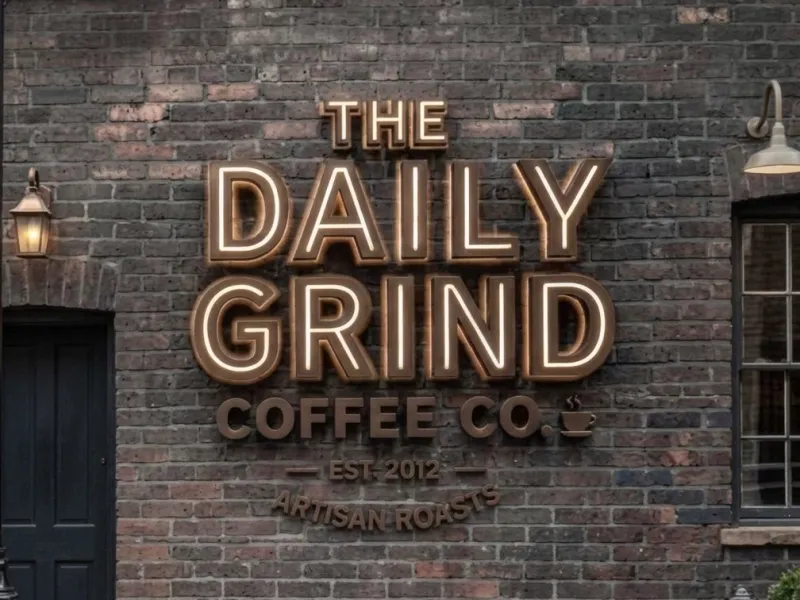
3D Lettering Signage
Flat signs get glanced at. 3D signs get noticed. When your name stands proud of the wall, it catches the light, throws a soft shadow and loo...

A-Board Pavement Signs
Most people walking past your shop don't look up. They look straight ahead. That's exactly where a good A-board sits. A pavement sign right...
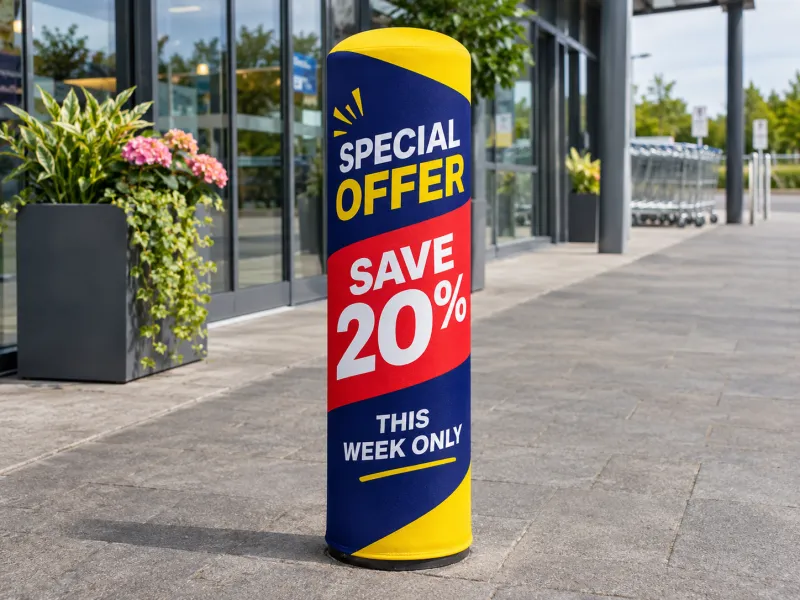
Bollard Covers
Plain posts out. Your brand in.
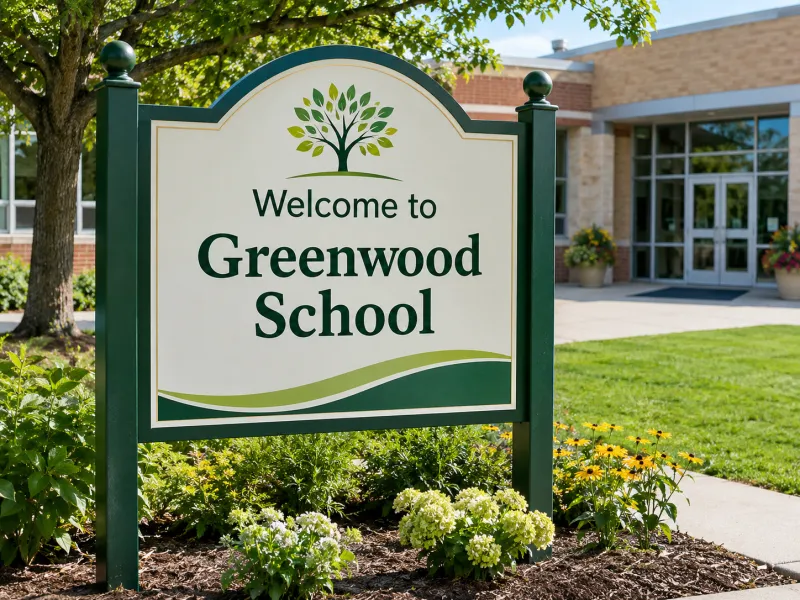
Custom School Signs
Good school signs do a quiet but important job. They help new pupils find their classroom, parents find reception and visitors find the righ...

Custom Vinyl Signs
It’s Friday afternoon, and the sale ended at five. The window still shouts last month’s offer. That’s where vinyl earns its keep. It’s quick...
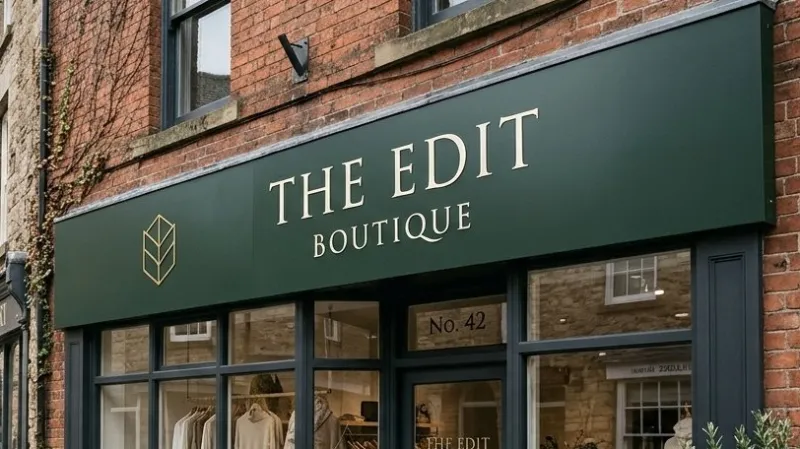
Fascia Signs
UK-Crafted Signs That Mean Real Business.
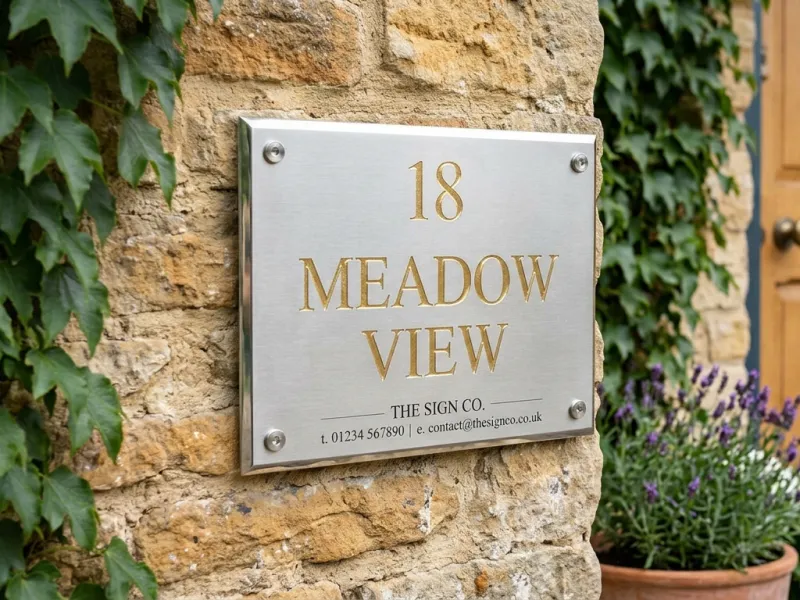
House Signs
Think about the last time you tried to find a house you’d never visited. It was probably getting dark, the satnav said you’d arrived, and ev...
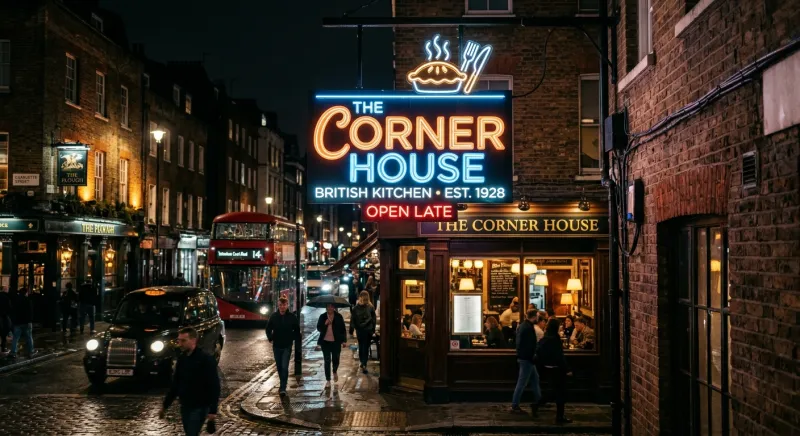
Neon Signs
Picture the moment someone walks in and stops. Maybe it’s the first customer through the door of your new bar. Maybe it’s a friend seeing th...
Explore our categories

Signage
Make Your Business Impossible to Miss.
View signage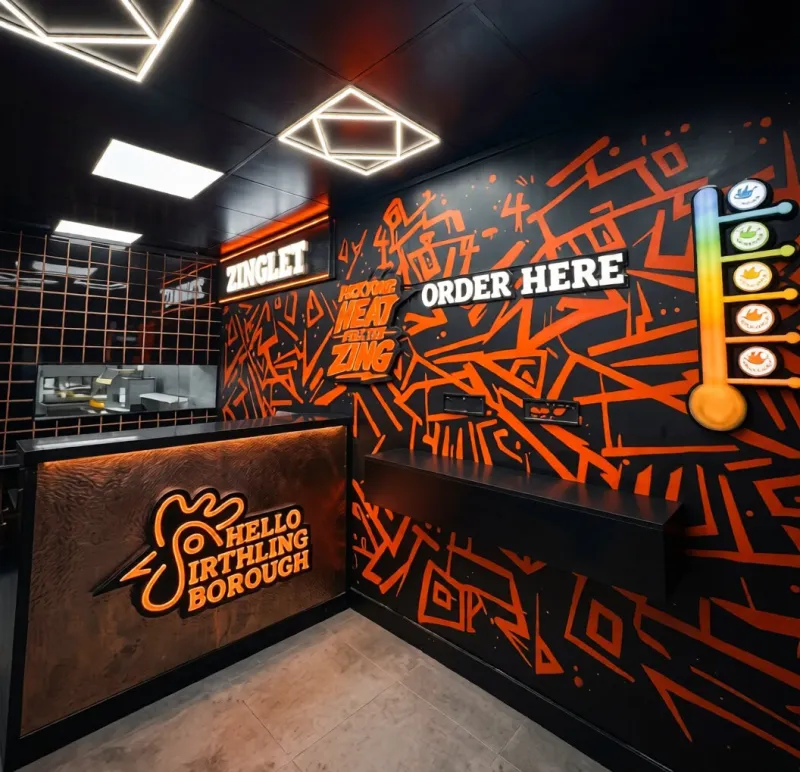
Shop Branding
Turn Your Shopfront Into a Sales Magnet.
View shop branding
Banner Printing
Big moments deserve to be seen.
View banner printing
Rigid Sheet Printing
Built to Last. Printed to Stand Out.
View rigid sheet printing
Vehicle Signage
Your vehicle is already out there. Let it sell for you.
View vehicle signage